Quick Glance to DWI Laws
📅 2026 Update: Changes in DWI Laws
Since the original article was written, there have been important updates in DWI laws across the United States. Key changes include the adoption of stricter blood alcohol concentration limits in some states and the growing requirement for ignition interlock devices for offenders. This section highlights the significant updates that relate directly to DWI charges and penalties, while the earlier article continues further down the page.
🚦 Utah's Lowered BAC Limit
Utah has set its legal blood alcohol concentration (BAC) limit at 0.05%. This change took effect on December 30, 2018. It is the lowest BAC limit in the nation.
The law aims to reduce impaired driving incidents by making it illegal for more drivers to operate vehicles under the influence.
🔑 Ignition Interlock Devices
As of October 2026, 24 states and the District of Columbia require ignition interlock devices for all impaired-driving offenders. These devices prevent a vehicle from starting if the driver has been drinking. This change is part of a broader effort to enhance road safety and reduce repeat offenses.
💸 License Reinstatement Costs
License reinstatement fees vary widely by state. For example, New York charges $50, while Texas fees can reach $125. These fees may also vary based on additional costs for required evaluations or programs.
Offenders should be prepared for potential financial burdens when seeking to regain their driving privileges.
⏳ License Reinstatement Processing Times
Processing times for license reinstatement applications also differ by state. In California, it may take up to 30 days, while in Florida, the wait can extend to 60 days. Offenders should check with their local DMV for the most accurate timelines to avoid delays.
📅 License Reinstatement Deadlines
Deadlines for applying for license reinstatement vary by state. In New York, individuals must apply within 60 days of their suspension ending. In Texas, the deadline is 90 days.
Missing these deadlines can lead to longer suspension periods or additional penalties.
📌 Key Changes Summary
- 🚦 Utah has a lower BAC limit of 0.05%.
- 🔑 Ignition interlock devices are now required in 24 states.
- 💸 License reinstatement fees vary, with New York at $50 and Texas up to $125.
- ⏳ Processing times can take 30 to 60 days depending on the state.
- 📅 Missing reinstatement deadlines can lead to extra penalties.
💡 Tips for Navigating DWI Situations
Review the details of your individual situation with your attorney.
📝 Understand Your State's Laws
Each state has different DWI laws, including BAC limits and penalties. Familiarize yourself with local regulations to understand the full impact of a DWI charge.
📄 Complete Required Programs
After a DWI conviction, you may need to complete specific programs, like alcohol education or treatment. Ensure you follow through with these requirements to facilitate the reinstatement of your license.
💵 Prepare for Fees
Be aware of potential costs associated with DWI charges. This includes installation and maintenance of ignition interlock devices, as well as license reinstatement fees that can vary significantly by state.
⏳ Monitor Processing Times
Keep track of how long it takes to process your license reinstatement application. This can vary by state and may affect your ability to drive legally again.
📅 Know Your Deadlines
Stay on top of deadlines for applying for license reinstatement. Missing these can lead to additional penalties and extended suspension periods.
❓ Frequently Asked Questions
❓ What happens if I refuse a BAC test?
Refusing to submit to a BAC test can lead to automatic license suspension and may be used as evidence in court against you.
🚨 What are the penalties for a high BAC?
Drivers with a BAC of 0.15% or higher often face enhanced penalties, including longer license suspensions and higher fines.
📅 How long does a DWI stay on my record?
A DWI conviction typically stays on your record for several years, but this can vary by state. It's important to check your state's laws for specific durations.
🆓 Are there free programs for DWI offenders?
Yes, many nonprofit organizations offer free or sliding-scale counseling services for individuals with alcohol-related offenses. These programs aim to help address underlying issues.
🚗 Can CDL holders face different penalties?
Yes, Commercial Driver License (CDL) holders are subject to stricter BAC limits, usually 0.04%, and can face disqualification for a DWI conviction.
⚖️ What is vehicular homicide?
Vehicular homicide occurs when a driver causes death while driving impaired. This can result in severe penalties, including lengthy prison sentences.
⚖️ Recent Court Cases Related to DWI
Recent court rulings have highlighted the seriousness of DWI offenses and the associated penalties. These cases can provide insights into how the law is applied in various situations.
- Court rules on DWI case involving improper interrogationNew York Justice Court · April 6, 2026
- Court Denies Dismissal of DWI Charges for DACA RecipientJustice Court of the Town of Somers · July 9, 2025
- Court grants driving privilege to defendant in drunk driving caseThe Criminal Court of the City of New York, Bronx · September 15, 2026
- New Jersey Court Rules on Mistrial in Fatal DUI CaseNew Jersey Superior Court Appellate Division · April 26, 2022
For more recent rulings, browse more rulings on the news page.
End of October 2026 Update
Introduction
DWI, or Driving While Intoxicated, is a serious crime that refers to operating a motor vehicle while under the influence of drugs or alcohol. DWI laws vary from state to state, and those charged with DWI can face penalties that range from fines and license suspension to imprisonment. In this article, we take a quick glance at DWI laws, including how they work, potential penalties, and legal defenses available for DWI defendants.
Elements of DWI
In most cases, DWI charges require proof of two key elements that the defendant operated a motor vehicle, and they were intoxicated at the time of operation. In some states, it is enough to show that the defendant was impaired, while others require proof that they had a blood alcohol concentration (BAC) above a certain level.
Penalties for DWI
As mentioned, penalties for DWI vary from state to state, but common penalties include fines, license suspension, and imprisonment. First-time offenders can typically expect to pay a monetary fine, participate in community service, and have their license suspended for a period.
Second or subsequent offenses can result in more severe penalties, including higher fines and longer jail sentences. In some states, DWI offenses can be charged as felonies, which can come with even more severe consequences.
Legal Defenses for DWI
Those charged with DWI can defend themselves against the charges by hiring an attorney and using legal defenses available in their state. Some common legal defenses to DWI charges include challenging the validity of the arrest, questioning the reliability of the BAC test, or arguing that the defendant was not actually operating the vehicle at the time of arrest.
Conclusion
DWI is a serious crime that can have life-altering consequences for those charged. The elements of DWI typically include operating a motor vehicle while intoxicated, and potential penalties can include fines, license suspension, and imprisonment. Those charged with DWI can defend themselves against the charges by hiring an attorney and using available legal defenses. It’s essential to familiarize oneself with DWI laws in their state to avoid the consequences of driving while intoxicated.
The penalties associated with drunk driving (DUI) or DWI laws vary based on individual state. If you have already been charged with drunk driving it is necessary to understand your state's specific DWI laws in regards to repeat offenders.
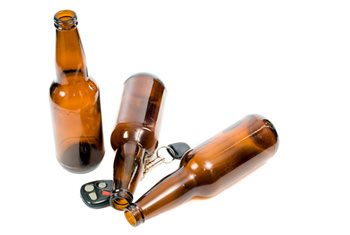
The attached punishments of a state's various DWI laws drastically fluctuate; some states will mandate a jail sentence for second time offenders while other's wont. In most cases, however, the typical punishment for a repeat DWI offender is the following: the individual's license will be suspended for a significant period of time, they will be forced to pay an exorbitant fine, and in most states they will be sentenced to jail.
The punishments that most widely fluctuate for repeated DWI offenders are community service and rehab or counseling once the jail sentence or fines have been satisfied.